For many women, the path to motherhood after 40 is deeply intentional. Whether starting a family later in life, expanding an existing family, or finding the right timing after career, partnership, or health considerations, more women than ever are pursuing pregnancy in their 40s, and many are succeeding.
While it is true that fertility changes with age, the conversation around fertility after 40 is often unnecessarily fear-based and discouraging. The reality is more nuanced. Age matters, but it is not the only factor that determines reproductive potential. Hormonal health, metabolic function, inflammation, thyroid balance, mitochondrial health, sperm quality, lifestyle factors, and overall wellness all play important roles.
An integrative, evidence-based approach can help identify obstacles early, optimize the body for conception, and support both natural fertility and assisted reproductive treatments.
Understanding Fertility After 40
Women are born with all the eggs they will ever have, and both egg quantity and egg quality decline over time. Fertility decline becomes more noticeable after age 35 and accelerates further after 40.
However, many women in their 40s still conceive naturally and others successfully conceive with support through reproductive medicine, lifestyle optimization, and targeted supplementation.
Importantly, biologic age and chronologic age are not always the same. Two women of the same age may have dramatically different ovarian reserve, metabolic health, inflammation levels, thyroid function, and reproductive potential.
The goal is not perfection — it is optimization.
A Comprehensive Fertility Workup After 40
Women over 40 benefit from a proactive fertility evaluation, even before trying to conceive.
Ovarian Reserve Assessment
These tests help estimate egg quantity and ovarian responsiveness:
- Anti-Müllerian Hormone (AMH)
- Day 3 FSH and estradiol
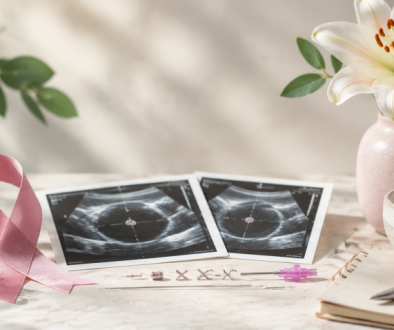
- Antral follicle count via ultrasound
While these tests cannot directly measure egg quality, they help guide timing and treatment decisions.
Thyroid Evaluation
Thyroid dysfunction and thyroid autoimmunity are common contributors to fertility challenges and miscarriage risk.
A comprehensive thyroid panel may include:
- TSH
- Free T4
- Free T3
- TPO antibodies
- Thyroglobulin antibodies
For fertility, many integrative and reproductive endocrinology practices aim for a TSH approximately between 1–2 mIU/L prior to conception.
Metabolic & Inflammatory Testing
Insulin resistance and chronic inflammation can impair ovulation, implantation, and pregnancy outcomes.
Important labs may include:
- Fasting insulin
- Hemoglobin A1c
- Lipid panel
- hs-CRP
- Vitamin D
- Ferritin
- Homocysteine
Male Fertility Matters Too
Male factor infertility contributes to nearly half of infertility cases and becomes increasingly important with advancing paternal age.
A semen analysis should ideally be performed early in the process.
Supporting Egg Quality & Fertility Naturally
Although we cannot stop ovarian aging, we can support the environment surrounding the eggs — particularly mitochondrial function, oxidative stress, inflammation, blood sugar regulation, and hormone balance.
The months before conception matter because egg maturation occurs over approximately 90 days.
Lifestyle Measures That Support Fertility After 40
Prioritize Blood Sugar Balance
Insulin resistance can affect ovulation, egg quality, inflammation, and miscarriage risk.
Supportive strategies include:
- Protein-rich meals
- High-fiber vegetables
- Healthy fats
- Minimizing ultra-processed foods and excess sugar
- Strength training and regular movement
A Mediterranean-style dietary pattern is associated with improved fertility and pregnancy outcomes.
Reduce Chronic Inflammation
Chronic inflammation may negatively impact ovarian function and implantation.
Anti-inflammatory nutrition emphasizes:
- Colorful vegetables
- Leafy greens
- Omega-3-rich fish from wild (not farmed)low mercury sources
- Olive oil
- Nuts and seeds
- Herbs and spices
- Adequate sleep and stress reduction
Support Sleep & Circadian Rhythm
Poor sleep and chronic stress may disrupt reproductive hormones and cortisol regulation.
Aim for:
- 7–9 hours nightly
- Consistent sleep-wake timing
- Morning light exposure
- Reduced nighttime blue light exposure
Moderate Exercise
Regular exercise supports insulin sensitivity, circulation, mood, and inflammation reduction.
The goal is consistency rather than intensity:
- walking
- resistance training
- Pilates
- yoga
- cycling
- swimming
Excessive overtraining may negatively impact fertility in some women.
Minimize Environmental Toxin Exposure
Reducing exposure to endocrine-disrupting chemicals may be beneficial for reproductive health.
Avoid:
- plastics/BPA
- pesticides
- synthetic fragrance
- smoking/vaping
- excessive alcohol
- high-mercury fish
Evidence-Based Supplements for Fertility After 40
Supplementation should ideally be personalized, but several nutrients and compounds have supportive evidence for reproductive health and egg quality.
CoQ10 (in a fat base)
Typical Dose:
300–600 mg daily
CoQ10 supports mitochondrial energy production inside the egg and may improve ovarian response and egg quality, particularly in women over 35.
Omega-3 Fatty Acids
Typical Dose:
1000–3000 mg EPA + DHA daily
Omega-3s support:
- inflammation reduction
- hormone production
- implantation
- fetal brain development
Vitamin D balanced with vitamin K
Typical Dose:
2000–5000 IU daily (based on labs)
Vitamin D deficiency has been associated with infertility, miscarriage, and autoimmune dysfunction.
Optimal fertility levels are often targeted around 40–60 ng/mL.
NAC (N-Acetylcysteine)
Typical Dose:
600–1800 mg daily
NAC supports:
- glutathione production
- antioxidant defenses
- insulin sensitivity
- ovulation support
Magnesium Glycinate
Typical Dose:
200–400 mg daily
Magnesium supports:
- stress resilience
- sleep
- blood sugar regulation
- nervous system balance
Methylfolate
Typical Dose:
400–1000 mcg daily
Folate is essential before conception for neural tube development and healthy methylation.
Women should ideally begin a prenatal with folate at least 3 months before conception.
Vitamin B12
Typical Dose:
500–2000 mcg daily of a quality active form
B12 supports:
- methylation
- neurologic development
- homocysteine regulation
- energy production
Melatonin
Typical Dose:
1–3 mg nightly
Melatonin functions as both a sleep-supportive hormone and a mitochondrial antioxidant and has shown promise in reproductive medicine research.
DHEA (Selective Use Only)
Typical Dose:
25 mg three times daily
DHEA may be considered in women with diminished ovarian reserve or low AMH under medical supervision.
It is not appropriate for everyone and should be guided by hormone testing.
Emotional Health Matters
The fertility journey after 40 can carry emotional weight, uncertainty, and grief for some women. It is important to remember:
- fertility is not a reflection of worth
- timelines do not define womanhood
- many paths to motherhood exist
- support matters
Mind-body practices, counseling, acupuncture, social support, and nervous system regulation may all play meaningful supportive roles during this process.
When to Seek Fertility Support
Women over 40 should consider evaluation promptly when trying to conceive rather than waiting a full year.
Working early with:
- an OB-GYN
- reproductive endocrinologist
- integrative or functional medicine practitioner
can help clarify options and create a personalized strategy.
A Message of Hope
Fertility after 40 is not hopeless. While age-related changes are real, so are the growing tools available to support reproductive health.
Many women conceive naturally in their 40s. Others conceive with assistance. Others ultimately discover unexpected and meaningful paths to parenthood. There is no single “right” outcome or timeline.
The most empowering approach is one grounded in knowledge, proactive care, realistic expectations, and hope.
Your body is not broken. It deserves support, nourishment, and compassionate care as you move through this journey.
References
- Practice Committee of the American Society for Reproductive Medicine. Testing and interpreting measures of ovarian reserve. Fertility and Sterility. 2020.
- ACOG Committee Opinion No. 781. Infertility Workup for the Women’s Health Specialist. Obstetrics & Gynecology. 2019.
- Bentov Y, et al. The use of mitochondrial nutrients to improve the outcome of infertility treatment in older patients. Fertility and Sterility. 2010.
- Xu Y, et al. Melatonin improves female fertility. Reproductive Biology and Endocrinology. 2020.
- Unfer V, et al. Myo-inositol effects in women with PCOS. International Journal of Endocrinology. 2017.
- Showell MG, et al. Antioxidants for female subfertility. Cochrane Database Systematic Reviews. 2020.
- Chiu YH, et al. Mediterranean diet and assisted reproduction outcomes. Human Reproduction. 2018.
- Lerchbaum E, Obermayer-Pietsch B. Vitamin D and fertility. Current Opinion in Obstetrics & Gynecology. 2012.
- Gaskins AJ, Chavarro JE. Diet and fertility: a review. American Journal of Obstetrics and Gynecology. 2018.
- American Society for Reproductive Medicine. Optimizing natural fertility. Fertility and Sterility. 2022.0